
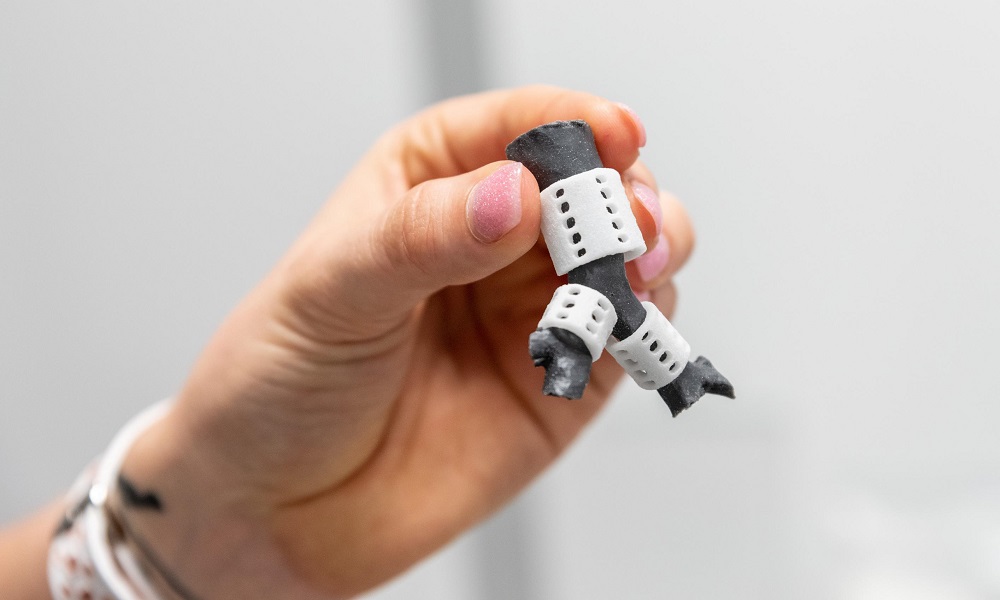
The advent of 3D printing technology has revolutionized numerous industries, and healthcare is no exception. In 2024, 3D printing in surgery is making significant strides, particularly in the creation of custom implants and enhancing patient outcomes. This article delves into the latest advancements, benefits, and future potential of 3D printing in the surgical field.

The Evolution of 3D Printing in Surgery
3D printing, also known as additive manufacturing, involves creating three-dimensional objects by layering materials based on digital models. Initially used for prototyping, 3D printing has now expanded into various sectors, including healthcare, where it is transforming surgical practices.
Key Developments in 2024
Recent advancements in 3D printing technology have made it more accessible and efficient. Integration with traditional manufacturing processes, such as CNC machining and injection molding, has improved the production of complex parts. Additionally, AI-powered 3D printing is enhancing the precision and customization of surgical implants.
Applications of 3D Printing in Surgery
Custom Implants
One of the most significant applications of 3D printing in surgery is the creation of custom implants. These implants are tailored to fit the unique anatomical structures of individual patients, ensuring a better fit and improved functionality.
- Orthopedic Implants: Custom 3D-printed implants for knees, hips, and shoulders are becoming increasingly common. These implants offer a precise fit, reducing the risk of complications and the need for revision surgeries.
- Craniofacial Implants: 3D printing is also used to create implants for reconstructive surgeries, such as jaw and facial bone replacements, following trauma or tumor removal.
Surgical Planning and Training
3D printing is invaluable in surgical planning and education. Anatomical models created from patient imaging data allow surgeons to visualize and rehearse complex procedures before the actual surgery.
- Preoperative Planning: Surgeons can use 3D-printed models to plan and simulate surgeries, improving accuracy and reducing operating times.
- Medical Education: Medical students and residents can practice on realistic 3D-printed models, enhancing their skills and confidence.
Benefits of 3D Printing in Surgery
Enhanced Precision and Customization
3D printing allows for the creation of highly detailed and precise implants and models. This level of customization ensures that implants fit perfectly, reducing the risk of complications and improving patient outcomes.
Reduced Operating Time and Costs
Using 3D-printed models for surgical planning can significantly reduce operating times. Shorter surgeries mean less anesthesia and lower risks of complications, ultimately reducing healthcare costs.
Improved Patient Outcomes
Custom implants and precise surgical planning lead to better patient outcomes. Patients experience less post-operative pain, faster recovery times, and fewer follow-up surgeries.
Challenges and Considerations
Cost and Accessibility
While the cost of 3D printing technology has decreased, it remains a significant investment for many healthcare facilities. Ensuring widespread access to this technology is crucial for maximizing its benefits.
Regulatory and Quality Control
As with any medical device, 3D-printed implants must meet stringent regulatory standards. Ensuring consistent quality and safety of these implants is essential for their successful integration into surgical practices.
The Future of 3D Printing in Surgery
The future of 3D printing in surgery looks promising, with ongoing advancements and expanding applications. Researchers are exploring new materials and techniques to further enhance the capabilities of 3D printing.
Bioprinting and Regenerative Medicine
Bioprinting, the process of printing with bio-compatible materials, cells, and growth factors, holds immense potential for regenerative medicine. This technology could eventually enable the creation of functional tissues and organs for transplantation.
AI and Machine Learning Integration
The integration of AI and machine learning with 3D printing technology will continue to improve the precision and efficiency of custom implant creation. These advancements will further enhance surgical outcomes and patient care.
Conclusion
3D printing in surgery is revolutionizing the field by providing custom implants, enhancing surgical planning, and improving patient outcomes. As technology continues to advance, the potential applications and benefits of 3D printing in healthcare will only grow. By addressing current challenges and investing in this innovative technology, the medical community can ensure that more patients benefit from the precision and customization that 3D printing offers.
