
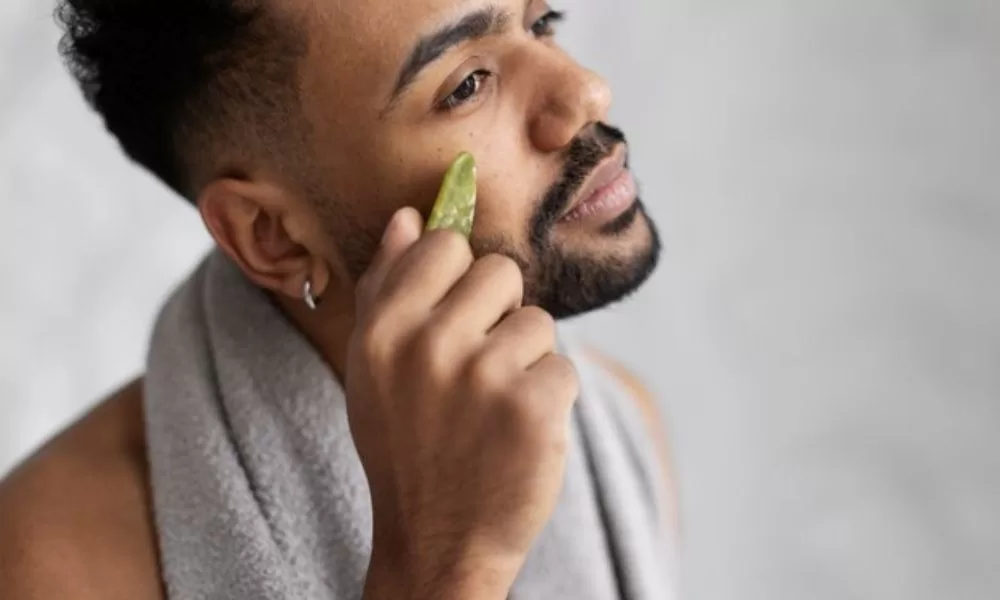
Climate change is not just an environmental concern; it’s increasingly becoming a significant factor in human health, particularly when it comes to our skin. As the largest organ of our body, our skin is directly exposed to environmental changes, making it vulnerable to the effects of global warming and pollution. This article explores the various ways climate change impacts skin health and provides practical strategies to protect your skin in a changing environment.

How Climate Change Affects Your Skin
Increased UV Radiation Exposure
One of the most direct impacts of climate change on skin health is the increased exposure to harmful ultraviolet (UV) radiation. As the ozone layer continues to thin, more UV rays penetrate the atmosphere, leading to:
- Higher risk of sunburn
- Accelerated skin aging
- Increased risk of skin cancer
Research indicates that for every 1% reduction in ozone, there’s a 3-4.6% increase in the incidence of squamous cell carcinoma.
Rising Temperatures and Humidity
Climate change is causing more frequent and intense heatwaves, which can have several effects on skin health:
- Increased sweating, leading to clogged pores and acne breakouts
- Exacerbation of existing skin conditions like eczema and psoriasis
- Higher risk of heat rash and fungal infections
Air Pollution and Skin Damage
Climate change often correlates with increased air pollution, which can have detrimental effects on skin health:
- Accelerated skin aging due to free radical damage
- Increased inflammation and sensitivity
- Worsening of conditions like acne and eczema
A 2019 study noted that air pollution increases oxidative stress in the skin, resulting in premature aging.
Protecting Your Skin in a Changing Climate
Sun Protection Strategies
- Use broad-spectrum sunscreen: Apply a sunscreen with at least SPF 30 daily, even on cloudy days.
- Wear protective clothing: Long-sleeved shirts, wide-brimmed hats, and sunglasses can provide additional protection.
- Seek shade: Especially during peak UV hours, typically between 10 am and 4 pm.
Hydration and Moisturizing
- Stay hydrated: Drink plenty of water to maintain skin hydration from the inside out.
- Use a good moisturizer: Look for products with ingredients like hyaluronic acid and ceramides to lock in moisture.
Antioxidant Protection
- Incorporate antioxidants: Use skincare products containing vitamins C and E, which can help combat free radical damage from pollution.
- Eat an antioxidant-rich diet: Consume foods high in antioxidants, such as berries, leafy greens, and nuts.
Adapting Your Skincare Routine
- Cleanse gently: Use a mild, pH-balanced cleanser to remove pollutants without stripping the skin.
- Exfoliate regularly: This can help remove dead skin cells and unclog pores, but don’t overdo it.
- Consider using a humidifier: This can help combat dry indoor air, especially during winter months.
The Future of Skin Health in a Changing Climate
As climate change continues to impact our environment, it’s crucial to stay informed about its effects on skin health. Dermatologists are increasingly focusing on “climate dermatology,” studying how environmental changes affect various skin conditions.Emerging trends in skincare include:
- Development of “climate-adaptive” skincare products
- Increased use of AI for personalized skincare recommendations
- Growing emphasis on sustainable and eco-friendly skincare options
Conclusion
Climate change poses significant challenges to skin health, but with awareness and proper care, we can mitigate many of its effects. By adopting a comprehensive approach to skin protection – including sun safety, proper hydration, and a tailored skincare routine – we can maintain healthy skin even in the face of environmental changes. Stay informed, adapt your habits, and consult with dermatologists to ensure your skin remains healthy in our changing world.
