
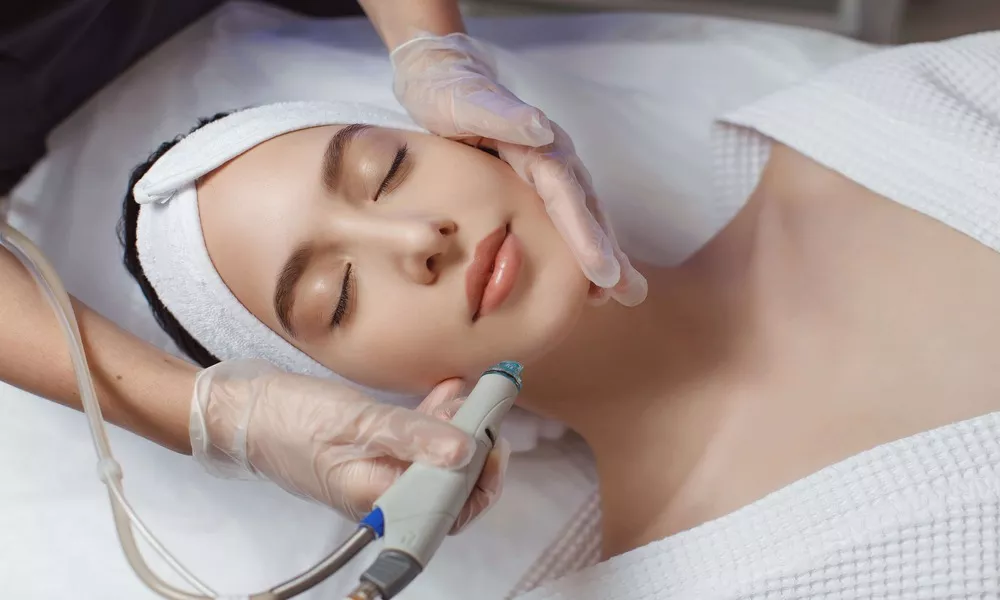
In recent years, the beauty industry has witnessed a significant shift towards personalized skincare solutions. At the forefront of this revolution is DNA testing, a groundbreaking approach that’s transforming how we care for our skin. This article explores the innovative world of DNA-based skincare and its impact on beauty routines.

The Science Behind DNA-Based Skincare
DNA testing in skincare allows us to delve deep into our genetic makeup, uncovering valuable insights about our skin’s unique characteristics and potential concerns. By analyzing specific genetic markers, skincare experts can identify:
- Predisposition to skin conditions like acne, eczema, or rosacea
- Genetic factors influencing skin aging
- Skin sensitivity levels
- Natural moisture retention capabilities
- Sebum production tendencies
This genetic information serves as a blueprint for creating highly tailored skincare regimens that address individual needs at a molecular level.
Benefits of DNA Testing in Skincare
Preventive Approach
One of the most significant advantages of DNA-based skincare is its preventive nature. By identifying genetic predispositions to certain skin conditions, individuals can take proactive measures to mitigate risks before visible signs appear. For instance, if a DNA test reveals a higher likelihood of premature aging, skincare routines can be adjusted to include more potent anti-aging ingredients earlier in life.
Personalized Product Selection
DNA testing takes the guesswork out of choosing skincare products. Instead of trial and error, consumers can select products that are scientifically matched to their genetic profile. This targeted approach not only saves time and money but also reduces the risk of adverse reactions from using unsuitable products.
Enhanced Efficacy
When skincare routines are tailored to an individual’s genetic makeup, the efficacy of products and treatments significantly improves. By addressing specific genetic factors, such as collagen production rates or antioxidant levels, personalized skincare can yield more noticeable and lasting results.
The DNA Testing Process
The process of DNA testing for skincare is surprisingly simple and non-invasive:
- Sample Collection: A simple cheek swab or saliva sample is collected, either at a clinic or using an at-home DNA testing kit.
- Laboratory Analysis: The sample is sent to a laboratory where genetic markers related to skin health are analyzed.
- Results Interpretation: Skincare experts interpret the genetic data to create a personalized skin profile.
- Customized Recommendations: Based on the genetic analysis, tailored skincare routines and product recommendations are provided.
Integrating DNA Testing into Skincare Routines
AI-Powered Skincare Solutions
The integration of Artificial Intelligence (AI) with DNA testing is taking personalized skincare to new heights. AI algorithms can analyze genetic data alongside other factors like lifestyle and environment to provide even more precise skincare recommendations. Some companies are developing AI-powered skin scanners that can assess current skin conditions and cross-reference them with genetic data for real-time skincare advice.
Customized Product Formulations
Several skincare brands now offer bespoke products formulated based on individual DNA test results. These can range from personalized serums to entire skincare lines tailored to address specific genetic predispositions.
Targeted Treatments
DNA testing allows for more targeted professional treatments. Dermatologists and skincare professionals can use genetic information to recommend specific procedures like microneedling or RF treatments that are most likely to be effective for an individual’s skin type and concerns.
The Future of DNA-Based Skincare
As technology advances, we can expect DNA-based skincare to become even more sophisticated. Future developments may include:
- Real-time skin analysis devices that sync with genetic data
- More affordable and accessible DNA testing options
- Integration of epigenetics to understand how lifestyle factors interact with genetic predispositions
- Advanced AI algorithms for continuous skincare routine optimization
Conclusion
DNA testing is revolutionizing the skincare industry by offering truly personalized solutions based on scientific evidence. By understanding our genetic predispositions, we can take a proactive approach to skincare, addressing potential issues before they arise and maximizing the effectiveness of our beauty routines. As this technology becomes more accessible, it promises to transform not just how we care for our skin, but how we approach beauty and self-care as a whole.
