
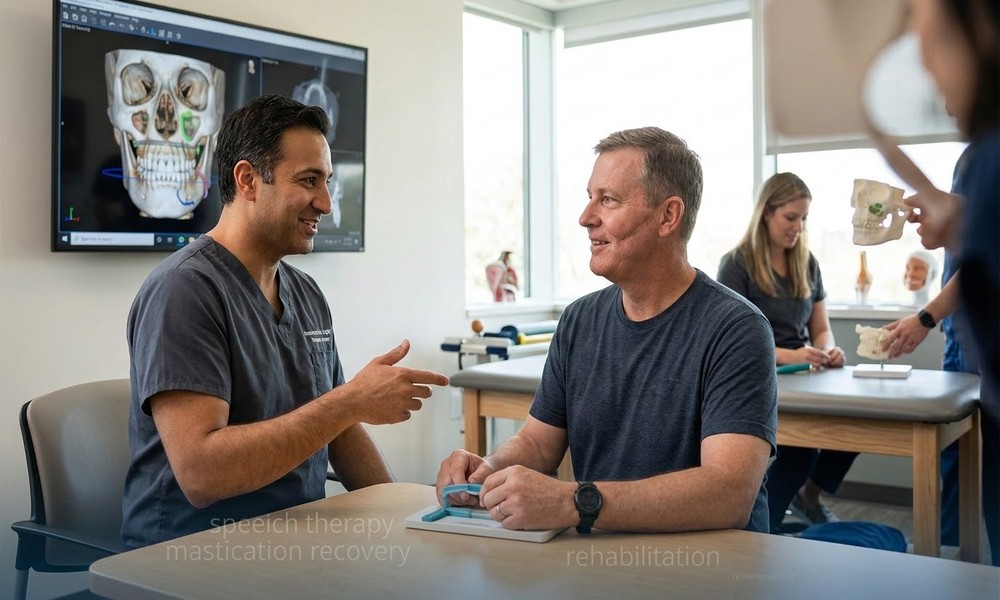
Facial reconstruction is often misunderstood as being only about appearance. While restoring facial balance and symmetry can be an important part of care, reconstructive procedures also support breathing, speaking, chewing, vision, nerve function, and emotional recovery.
The face is made up of bones, muscles, nerves, skin, cartilage, and soft tissue structures that work together every day. When one part is injured, missing, underdeveloped, or affected by disease, the impact can go far beyond how a person looks.
Reconstructive facial care may be needed after trauma, burns, cancer treatment, congenital conditions, infection, or a previous surgery that did not heal as expected. The goal is usually to restore both form and function as much as possible. For many patients, that means returning to daily activities with less discomfort, better movement, improved confidence, and a stronger sense of normalcy.
Understanding the Purpose of Facial Reconstruction
Facial reconstruction focuses on repairing or rebuilding parts of the face that have been damaged, altered, or affected by a medical condition. These procedures may involve the nose, jaw, cheeks, eyelids, ears, forehead, scalp, or facial soft tissues.
In some cases, reconstruction may be limited to a small area of skin or cartilage. In others, it may involve several stages and multiple specialists.
Unlike purely cosmetic procedures, reconstructive care is usually guided by a functional need. A patient may need help breathing through the nose, closing the eyelids, protecting the eye, restoring jaw alignment, or improving facial movement.
Appearance still matters. Facial differences can affect communication, social comfort, and emotional health. But the broader goal is to support recovery in a way that improves quality of life.
Reconstruction also looks different for every patient. Two people with similar injuries may need different approaches based on age, health history, tissue condition, nerve involvement, and long-term goals. That is why careful evaluation and planning are central to the process.
Common Reasons Reconstructive Procedures Are Needed
Trauma is one of the most common reasons for facial reconstruction. Motor vehicle accidents, falls, sports injuries, workplace injuries, and assaults can cause fractures, lacerations, tissue loss, and nerve damage.
Facial trauma may affect the nose, eye sockets, jaw, cheekbones, or teeth. Even when emergency care stabilizes the injury, later reconstruction may be needed to restore function and support proper healing.
Congenital concerns can also lead to reconstructive treatment. Conditions such as cleft lip and palate, ear differences, craniofacial development concerns, or jaw irregularities may affect feeding, speech, breathing, hearing, or dental alignment.
Some patients undergo procedures during childhood. Others continue treatment into adolescence or adulthood as the face grows and functional needs change.
Medical conditions may create reconstructive needs as well. Skin cancer removal, tumors, infections, burns, facial paralysis, and scarring can all alter facial structure. In these cases, reconstruction may help close wounds, replace missing tissue, support movement, or reduce tightness from scar tissue.
Trauma Repair and Restoring Facial Structure
After a facial injury, one of the first priorities is restoring structural support. The facial skeleton provides shape, protects the eyes and airway, supports the teeth, and helps guide jaw movement.
If bones heal in the wrong position, a person may have trouble biting, chewing, breathing, or seeing properly.
Surgical repair may involve repositioning fractured bones, placing small plates or screws, rebuilding soft tissue, or repairing cartilage. Timing matters. Some injuries need urgent treatment, while others require swelling to go down before detailed repair can begin. In complex cases, treatment may happen in stages.
North Texas Facial Plastic Surgery is an example of a care setting associated with North Texas facial reconstruction and cosmetic surgeon services, including corrective procedures. In an educational context, providers in this type of specialty may evaluate how trauma affects both visible facial features and underlying function, including nasal airflow, eyelid closure, and facial symmetry after healing.
Congenital Conditions and Developmental Concerns
Congenital facial differences can affect both appearance and essential functions from early life. A cleft lip or palate, for example, may influence feeding, speech development, dental growth, and ear health. Ear shape differences may also be linked with hearing concerns. Jaw or facial bone development issues may affect airway size, bite alignment, and long-term facial growth.
Reconstructive care for congenital conditions is often coordinated over time. A child may need early repair to support feeding or speech, followed by later procedures as the face develops. Orthodontists, speech therapists, pediatric specialists, surgeons, and primary care clinicians may all be part of the care team, depending on the condition.
For adults with congenital concerns, reconstruction may address long-standing functional limitations or the effects of earlier procedures. Some patients seek care because old repairs have changed with growth, aging, scarring, or tissue tension. Others may want better comfort, breathing, or jaw function after years of adaptation.
Nerves, Cranial Conditions, and Facial Function
Facial function depends heavily on the nervous system. Nerves control expression, sensation, blinking, chewing, and parts of speech and swallowing. When facial weakness, numbness, pain, or abnormal movement appears, it is important to understand whether the issue comes from a local facial injury, nerve compression, a cranial condition, or another neurological cause.
Facial nerve injuries can happen after trauma, tumors, infections, or surgery. Symptoms may include drooping, an uneven smile, trouble closing one eye, dry eye, changes in taste, pain, or muscle twitching. Reconstruction may involve nerve repair, muscle transfer, eyelid procedures, or supportive treatments that protect the eye and improve movement.
Haynes Neurosurgical Group provides brain surgeon services for the evaluation of nerve and cranial conditions. In the context of facial reconstruction, neurological evaluation may help clarify whether facial symptoms are related to cranial nerves, brain structures, nerve pathways, or other conditions that should be addressed before or alongside reconstructive planning.
Breathing, Chewing, Vision, and Speech Support
The face supports several basic functions that many people do not think about until something changes. Nasal injury or deformity can make breathing difficult. Jaw misalignment can interfere with chewing, speaking, and dental wear. Eyelid problems can prevent full closure, leaving the eye dry or exposed. Scarring around the mouth can limit expression, eating, or oral hygiene.
Reconstructive procedures may focus on restoring these functions. Nasal reconstruction can rebuild cartilage support or improve airflow. Jaw-related procedures may help restore bite mechanics. Eyelid repair can protect the eye surface. Scar revision can improve flexibility and reduce pulling on nearby structures.
These procedures require careful balance. A change that improves structure should also respect movement, sensation, and long-term healing. Repairing a nasal injury, for example, is not only about straightening the nose. It may also involve supporting the internal airway and maintaining enough cartilage strength to prevent collapse during breathing.
The Role of Neck and Musculoskeletal Alignment
Facial recovery does not always stop at the face. The head, neck, jaw, and upper spine are closely connected. After trauma or surgery, patients may develop muscle tightness, posture changes, headaches, jaw discomfort, or limited range of motion. These issues can affect recovery, especially when facial injuries are part of a larger head and neck event.
Structural alignment may influence how the jaw moves, how the neck supports the head, and how muscles compensate after injury. A patient with facial fractures, whiplash, or jaw trauma may need assessment beyond the surgical site. Physical therapy, dental evaluation, imaging, or musculoskeletal care may be part of a broader recovery plan.
CalSpine MD provides neck doctor services for structural alignment and musculoskeletal support. In facial reconstruction recovery, this kind of evaluation may be relevant when neck pain, posture problems, nerve symptoms, or musculoskeletal strain complicate healing and daily function.
Recovery, Monitoring, and Long-Term Care
Recovery from facial reconstruction depends on the procedure, the reason for treatment, and the patient’s overall health. Some people return to routine activities quickly after minor repairs. Others may need weeks or months of staged healing, swelling reduction, wound care, therapy, or follow-up imaging.
Recovery may also involve learning how to care for scars, protect healing tissue, and recognize signs of complications.
Monitoring matters because facial structures are delicate and highly visible. Swelling, infection, scar tightening, nerve changes, or breathing concerns may develop gradually. Follow-up visits allow clinicians to check healing, adjust medications, remove sutures, recommend therapy, or decide whether additional treatment is needed.
Primary care can also support recovery by helping manage blood pressure, diabetes, nutrition, medication interactions, infections, and general wellness. Fygulfcoast.com provides recovery monitoring and primary care services, which may be useful in a broader care plan when patients need ongoing health oversight after surgery, injury, or complex reconstruction.
Emotional and Quality-of-Life Considerations
Facial injuries and differences can affect how a person feels in social settings, at work, and in personal relationships. Because the face is central to identity and communication, changes in appearance or movement may lead to anxiety, self-consciousness, grief, or frustration. These feelings are common and should not be dismissed as superficial.
Reconstruction can support emotional recovery by helping patients regain familiar facial features, improve expression, or feel more comfortable being seen. Still, emotional healing may not follow the same timeline as physical healing. Some people benefit from counseling, peer support, family education, or a gradual return to social activities.
Quality of life often improves when function and appearance are addressed together. Being able to breathe better, eat more comfortably, close the eyes fully, speak clearly, or smile with greater ease can have a meaningful effect on daily confidence.
The best outcomes often come from realistic expectations, clear communication, and coordinated care.
Conclusion
Facial reconstruction is about much more than outward appearance. It can help restore breathing, chewing, speech, eye protection, nerve-related function, facial movement, and structural support after trauma, congenital concerns, disease, or previous surgery.
Because the face is both functional and deeply personal, successful reconstruction often requires attention to physical healing, emotional well-being, and long-term quality of life.
Each patient’s needs are different. Some require a single corrective procedure, while others benefit from a team-based plan involving surgical, neurological, musculoskeletal, primary care, or rehabilitative support.
When care is guided by function as well as form, facial reconstruction can help people move forward with greater comfort, stability, and confidence.
